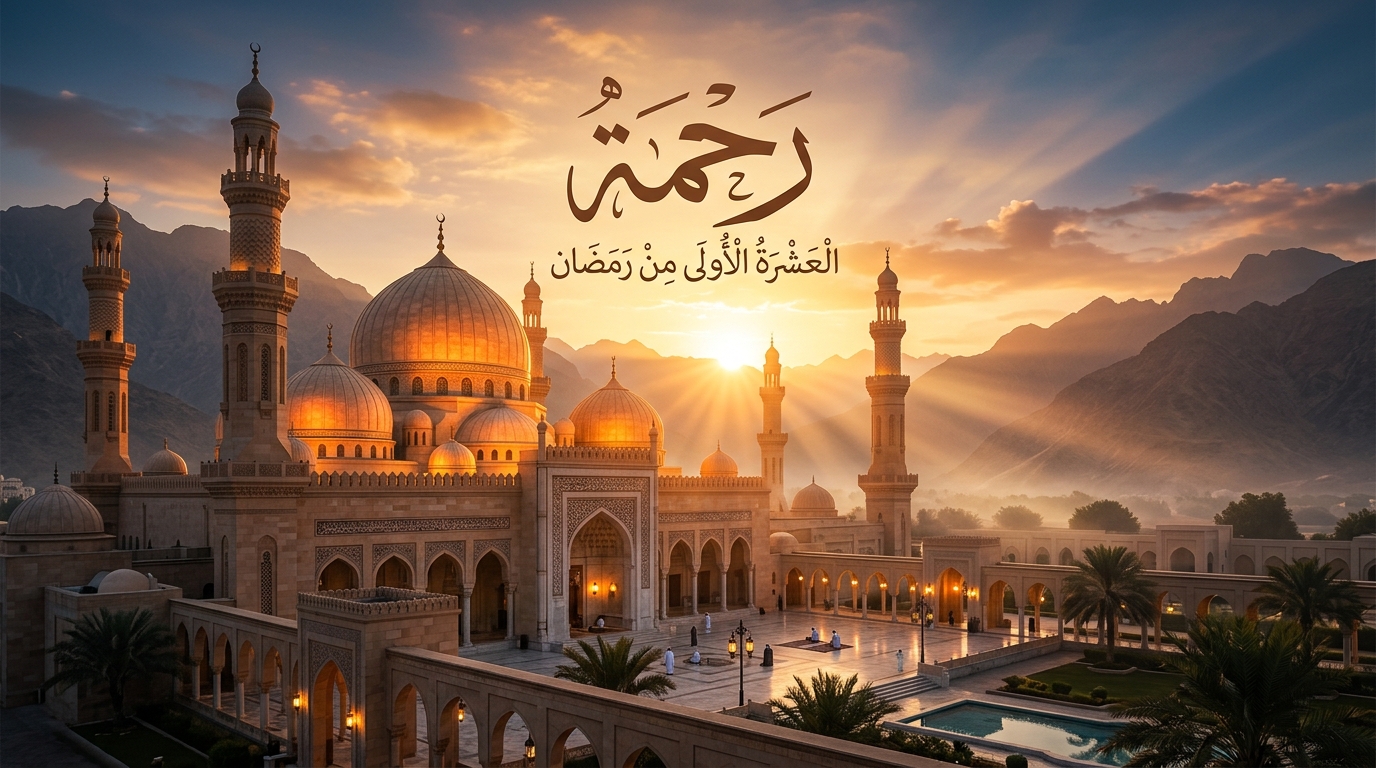
First Ashra of Ramadan: Meaning, Virtues, Dua, and Worship Guide
Scholar Verified
Written by: M. Hamza
Researcher: Ayesha Rahman
Reviewed by: Omar Abdullah
Last Review: 9 September 2026
Our Ramadan information is carefully examined by a qualified Islamic reviewer to help ensure that religious details, references, and guidance are presented accurately and responsibly.
The First Ashra of Ramadan refers to the first ten days of the blessed month of Ramadan. It is a valuable opportunity for Muslims to begin the month with sincere repentance, fasting, prayer, Quran recitation, charity, remembrance of Allah, and personal reflection.
Ramadan is not simply a month of avoiding food and drink during daylight hours. The Quran describes fasting as a means of developing taqwa, or consciousness and mindfulness of Allah. Allah says:
"O you who have believed, decreed upon you is fasting as it was decreed upon those before you that you may become righteous."
— Quran 2:183
The first ten days can therefore be viewed as an opportunity to establish good habits that continue throughout the rest of Ramadan.
What Is the First Ashra of Ramadan?
The word Ashra means ten. In the context of Ramadan, the First Ashra means the first ten days of the month.
For example, if Ramadan begins on the evening before the first day of fasting, the First Ashra covers Ramadan days 1 through 10. The exact Gregorian dates change each year because Ramadan follows the Islamic lunar calendar.
Rather than treating these ten days as a separate religious period with completely different rules, Muslims can use them as the beginning of a month-long journey of fasting, worship, self-discipline, and spiritual growth.
Meaning and Theme: Mercy (Rahmah)
The core theme of the first Ashra is Allah’s mercy. Islamic teachings describe this period as a time when Allah’s compassion and forgiveness are especially abundant, and believers are encouraged to seek His mercy through sincere worship, repentance, and good deeds.
Why Are the First Ten Days Important?
The beginning of Ramadan is an opportunity to establish a consistent routine. Instead of waiting until the final ten nights to increase worship, Muslims can start from the first day by:
- Maintaining the five daily prayers
- Fasting sincerely for Allah
- Reading and reflecting on the Quran
- Making regular dua
- Giving charity and helping others
- Increasing dhikr and istighfar
- Avoiding arguments, backbiting, and harmful speech
- Developing better habits for the remainder of Ramadan
First Ashra of Ramadan Dates
The First Ashra always consists of the first ten days of Ramadan, but its Gregorian dates change every year.
| Ramadan Year | First Ashra | Gregorian Dates |
|---|---|---|
| Ramadan 2026 | Days 1–10 | Depends on the confirmed Ramadan start |
| Ramadan 2027 | Days 1–10 | Expected February–March 2027 |
| Ramadan 2028 | Days 1–10 | Expected January–February 2028 |
| Ramadan 2029 | Days 1–10 | Expected January–February 2029 |
| Ramadan 2030 | Days 1–10 | Expected December 2029–January 2030 |
The Gregorian dates should be confirmed according to the relevant lunar-calendar calculation and, where applicable, local moon-sighting announcements. Because the Islamic calendar is based on lunar months, Ramadan moves approximately 10–11 days earlier each Gregorian year.
What Is the Significance of the First Ashra?
The Quran does not establish a separate set of obligatory practices exclusively for the first ten days of Ramadan. Instead, the beginning of Ramadan is part of the broader period of fasting and worship that Allah has prescribed.
Allah explains that Ramadan is the month in which the Quran was revealed as guidance for humanity. This makes the first ten days a particularly useful time to establish a routine around the Quran and other acts of worship.
The Prophet Muhammad ﷺ also taught about the special nature of Ramadan. In an authentic narration, he described the opening of the gates of Paradise and the closing of the gates of Hell when Ramadan begins.
Is the First Ashra Known as the "Days of Mercy"?
You may see Ramadan divided into three Ashras online:
- First Ashra – Mercy
- Second Ashra – Forgiveness
- Third Ashra – Protection from Hellfire
This division is very common in Ramadan reminders and educational material. However, it is important not to present the three-part formula as authentic hadith establishing three separate ten-day categories without qualification.
The concept of seeking Allah's mercy and forgiveness throughout Ramadan is certainly consistent with Islamic teachings, but Muslims should seek Allah's mercy, forgiveness, and protection throughout the entire month, not restrict each quality to only one Ashra.
First Ashra Dua
One of the most common questions during Ramadan is: "What is the First Ashra dua?"
رَبِّ اغْفِرْ وَارْحَمْ وَأَنْتَ خَيْرُ الرَّاحِمِينَ
Rabbi'ghfir li warhamni wa anta khayrur-rahimeen.
Meaning: "My Lord, forgive me and have mercy upon me, and You are the best of those who show mercy."
Seeking Allah's forgiveness and mercy is an excellent form of dua. However, Muslims should be careful about describing a particular supplication as the officially prescribed "First Ashra dua" unless there is reliable evidence establishing that designation.
There is no requirement to recite one particular dua exclusively during the first ten days. You can ask Allah for whatever is good for your faith, family, health, livelihood, forgiveness, and future.
The Quran gives special encouragement to make dua during the discussion of Ramadan. Immediately after verses discussing fasting, Allah says that He is near and responds to the supplication of those who call upon Him. (Quran 2:186)
What Should You Do During the First Ashra?
The best way to benefit from the first ten days is to focus on consistent worship rather than trying to do everything at once.
1. Maintain the Five Daily Prayers
Start Ramadan by protecting your obligatory prayers. If your prayer routine has been inconsistent, the first Ashra is an excellent time to establish regularity. Try to:
- Pray each Salah on time
- Pray with concentration and humility
- Perform Sunnah prayers where you can
- Attend congregational prayer when possible
- Avoid allowing work, social activities, or sleep to cause unnecessary delays
2. Read the Quran Every Day
Ramadan is closely connected with the Quran. Allah describes Ramadan as the month in which the Quran was revealed. During the First Ashra, establish a realistic Quran routine.
| Goal | Daily Target |
|---|---|
| Light routine | 2–4 pages |
| Moderate routine | 5–10 pages |
| Higher target | 1 Juz or more |
| Understanding-focused | Quran + translation/tafsir |
3. Increase Dhikr and Istighfar
Use ordinary moments during the day for remembrance of Allah. You can include:
- SubhanAllah
- Alhamdulillah
- Allahu Akbar
- La ilaha illallah
- Astaghfirullah
- Sending salawat upon the Prophet ﷺ
4. Make More Dua
Ramadan is a valuable time to turn to Allah with sincere supplication. You can make dua for:
- Forgiveness and stronger faith
- Guidance and protection from sin
- Your parents, family, and those who are suffering
- Good health and lawful provision
5. Give Charity
Charity is another practical way to make your Ramadan meaningful. You do not need to wait until the final days of Ramadan. During the First Ashra, consider:
- Giving Sadaqah
- Feeding someone who is fasting
- Helping a struggling family or a legitimate charitable cause
- Helping a relative or neighbour (charity can also be non-financial)
6. Fast With More Than Your Stomach
Fasting involves more than avoiding food and drink. Use Ramadan to control:
- Anger, arguments, and insults
- Backbiting and gossip
- Harmful online activity and unnecessary distractions
The aim of fasting is connected to developing taqwa. Ask yourself each evening: "Did today's fast improve my character as well as my eating habits?"
First Ashra Daily Worship Plan
A simple routine can make the first ten days easier to manage.
| Time | Suggested Activity |
|---|---|
| Before Fajr | Suhoor, dua and istighfar |
| Fajr | Salah and Quran |
| Morning | Work/study and regular dhikr |
| Dhuhr | Salah and short Quran session |
| Asr | Salah and remembrance of Allah |
| Before Maghrib | Dua and preparation for Iftar |
| Maghrib | Break the fast and pray |
| Evening | Family time and beneficial activities |
| Isha | Salah and Taraweeh |
| Before sleeping | Quran, dhikr and dua |
First Ashra Fasting Guide
Suhoor
Suhoor is the pre-dawn meal before fasting begins. Choose foods that provide sustained energy, such as:
- Whole grains
- Eggs
- Yogurt and fruit
- Protein-rich foods
- Plenty of water
Try to avoid making Suhoor excessively heavy, particularly foods that leave you thirsty or uncomfortable during the day.
Iftar
At Iftar:
- Break your fast when the fasting period ends
- Make dua
- Eat a balanced meal and drink sufficient water
- Avoid excessive overeating
- Pray Maghrib and continue your evening worship
The purpose of Iftar is to restore energy—not to turn the evening into continuous eating.
Good Deeds to Focus on During the First Ten Days
The First Ashra is a good time to move beyond personal worship and think about how Ramadan affects the people around you.
Help Your Parents & Family
Offer practical help at home, especially with preparing meals, cleaning, shopping, or caring for family members. Use Ramadan as an opportunity to forgive, reconnect, and avoid unnecessary disputes.
Feed Someone Who Is Fasting
Providing food for another fasting person is a well-known act of virtue in Ramadan. If you cannot personally prepare food, you can support a trustworthy organization or community initiative.
Help People in Need
Look for genuine opportunities to help people experiencing financial hardship, hunger, or other difficulties.
Improve Your Character
A successful Ramadan should affect how you speak and behave—not only how long you go without food.
Common Mistakes During the First Ashra
Treating One Dua as Obligatory
There is no requirement to recite a particular "First Ashra dua" every day. You can make sincere personal dua throughout Ramadan.
Waiting Until the Last Ten Days
The final ten nights have special significance, but that does not mean the first twenty days should be neglected. Start building your worship routine from the first day.
Focusing Only on Food
Ramadan should not become a cycle of preparing, eating, and thinking about meals. Fasting has a spiritual purpose connected with developing taqwa.
Neglecting Salah
Some people concentrate heavily on Quran, charity, or Taraweeh while becoming careless about obligatory prayers. The five daily prayers should remain central to the daily routine.
First Ashra vs Second and Third Ashra
Ramadan is commonly described as three Ashras:
| Ashra | Ramadan Days | Common Focus |
|---|---|---|
| First Ashra | 1–10 | Seeking Allah's mercy and establishing worship |
| Second Ashra | 11–20 | Seeking forgiveness and increasing repentance |
| Third Ashra | 21–29/30 | Increased worship and seeking Laylat al-Qadr |
Frequently Asked Questions About the First Ashra
Ramadan Calendar 360 — Your complete guide to Ramadan, Eid, and Islamic worship. Visit us for prayer times, Ramadan calendars, and more.