Taraweeh Dua – Meaning, Benefits, and Common Supplications
Scholar Verified
Written by: M. Hamza
Researcher: Ayesha Rahman
Reviewed by: Omar Abdullah
Last Review: 9 September 2026
Our Ramadan information is carefully examined by a qualified Islamic reviewer to help ensure that religious details, references, and guidance are presented accurately and responsibly.
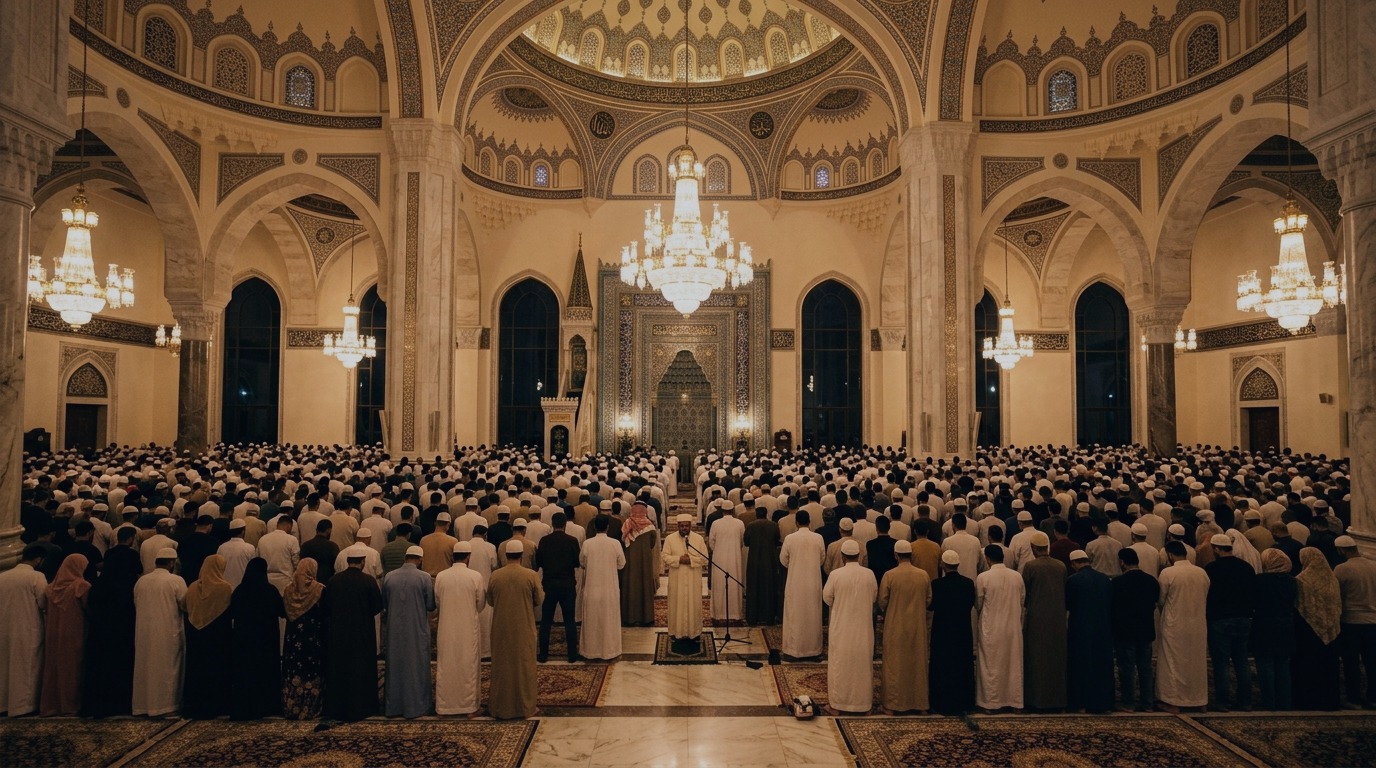
Taraweeh is a special night prayer performed during Ramadan. While the prayer itself is highly rewarding, reciting dua (supplication) during and after Taraweeh adds immense spiritual value.
This guide explains what Taraweeh dua is, its benefits, common supplications, and clarifies common misconceptions.
Taraweeh Dua = supplication made during or around the Taraweeh/night prayer.
1. Dua for Taraweeh Breaks (After Every 4 Rak'ahs)
Arabic:
سُبْحَانَ ذِي الْمُلْكِ وَالْمَلَكُوتِ
سُبْحَانَ ذِي الْعِزَّةِ وَالْعَظَمَةِ وَالْهَيْبَةِ وَالْقُدْرَةِ وَالْكِبْرِيَاءِ وَالْجَبَرُوتِ
سُبْحَانَ الْمَلِكِ الْحَيِّ الَّذِي لَا يَنَامُ وَلَا يَمُوتُ
سُبُّوحٌ قُدُّوسٌ رَبُّنَا وَرَبُّ الْمَلَائِكَةِ وَالرُّوحِ
Transliteration:
Subḥāna dhī al-mulki wal-malakūt.
Subḥāna dhī al-‘izzati wal-‘aẓamati wal-haybati wal-qudrati wal-kibriyāʾi wal-jabarūt.
Subḥāna al-maliki al-ḥayyi alladhī lā yanāmu wa lā yamūt.
Subbūḥun quddūsun rabbunā wa rabbu al-malāʾikati war-rūḥ.
Translation:
"Glory be to the Owner of sovereignty and dominion.
Glory be to the Possessor of honor, greatness, awe, power, majesty, and might.
Glory be to the Living King who never sleeps nor dies.
Most Glorious, Most Holy, our Lord and the Lord of the angels and the Spirit."
What is Taraweeh Dua?
Taraweeh dua refers to the supplications recited by worshippers:
- During the short breaks after every 4 rak'ahs
- Within the prayer itself (in sujood or between rak'ahs)
- After completing the Taraweeh prayer
Important Note: There is no fixed or obligatory dua for Taraweeh in the Quran or authentic Hadith. All duas are voluntary and encouraged.
Key Benefits of Reciting Dua During Taraweeh
1. Forgiveness of Sins
The Prophet Muhammad (peace be upon him) said:
"Whoever stands in prayer during Ramadan with faith and seeking reward, all of his previous sins will be forgiven."
(Sahih al-Bukhari & Sahih Muslim)
By making sincere dua, you increase your chances of receiving Allah's forgiveness.
2. Strengthening Connection with Allah
Dua is described by the Prophet as:
"The essence of worship." (Sunan al-Tirmidhi)
Making dua during the blessed nights of Ramadan deepens your bond with your Creator.
3. Allah Promises to Respond
Allah says in the Quran:
وَقَالَ رَبُّكُمُ ادْعُونِي أَسْتَجِبْ لَكُمْ
Transliteration: Wa qāla rabbukum ud‘ūnī astajib lakum.
Translation: "And your Lord says: Call upon Me; I will respond to you." (Surah Ghafir, 40:60)
4. Multiplying Rewards
The Prophet said:
"Whoever stands with the Imam until he finishes (the prayer), it is recorded for him as if he spent the whole night in prayer."
(Sunan al-Tirmidhi – Sahih)
This includes the time spent making dua during breaks.
5. Achieving Laylatul Qadr
The Quran says:
لَيْلَةُ الْقَدْرِ خَيْرٌ مِّنْ أَلْفِ شَهْرٍ
Transliteration: Laylatu al-qadri khayrun min alfi shahr.
Translation: "The Night of Decree is better than a thousand months." (Surah Al-Qadr, 97:3)
Dua during Taraweeh in the last 10 nights increases your chances of catching this blessed night.
6. Purification of the Heart
The Prophet said:
وَإِنَّ الدُّعَاءَ هُوَ الْعِبَادَةُ
Transliteration: Wa inna al-du‘āʾa huwa al-‘ibādah.
Translation: "Indeed, dua is worship." (Sunan Abi Dawud)
Regular supplication softens the heart, increases humility, and removes pride.
7. Physical and Mental Refreshment
The short breaks during Taraweeh allow worshippers to rest, reflect, and recharge. Using this time for dua and dhikr enhances both spiritual and mental well-being.
Common Misconceptions About Taraweeh Dua
| Misconception | Clarification |
|---|---|
| There is a fixed obligatory dua | ❌ No fixed dua is required. All duas are voluntary. |
| The dua after 4 rak'ahs is compulsory | ❌ It is a common practice but not obligatory. |
| Dua must be in Arabic | ❌ Outside Salah, you can make dua in any language. |
| Not reciting the specific dua invalidates Taraweeh | ❌ Taraweeh remains valid without any specific dua. |
| The Taraweeh dua is from the Sunnah | ⚠️ The commonly recited dua is not from an authentic Hadith; it is a later compilation. |
Commonly Recited Taraweeh Duas
2. Dua for Forgiveness
Arabic:
اللَّهُمَّ اغْفِرْ لَنَا ذُنُوبَنَا وَكَفِّرْ عَنَّا سَيِّئَاتِنَا وَتَوَفَّنَا مَعَ الْأَبْرَارِ
Transliteration:
Allahumma ighfir lanā dhunūbanā wa kaffir ‘annā sayyiʾātinā wa tawaffanā ma‘a al-abrār.
Translation:
"O Allah, forgive our sins, remove our misdeeds, and cause us to die among the righteous."
3. Dua for Mercy and Acceptance
Arabic:
رَبَّنَا تَقَبَّلْ مِنَّا إِنَّكَ أَنتَ السَّمِيعُ الْعَلِيمُ
Transliteration:
Rabbanā taqabbal minnā innaka anta al-samī‘u al-‘alīm.
Translation:
"Our Lord, accept from us. Indeed, You are the All-Hearing, the All-Knowing." (Surah Al-Baqarah, 2:127)
4. Dua for Protection from Hellfire
Arabic:
اللَّهُمَّ أَجِرْنَا مِنَ النَّارِ
Transliteration:
Allahumma ajirnā min al-nār.
Translation:
"O Allah, protect us from the Fire." (Recite 3 times)
5. Dua for Jannah (Paradise)
Arabic:
اللَّهُمَّ إِنَّا نَسْأَلُكَ الْجَنَّةَ وَمَا قَرَّبَ إِلَيْهَا مِنْ قَوْلٍ وَعَمَلٍ
Transliteration:
Allahumma innā nasʾaluka al-jannah wa mā qarraba ilayhā min qawlin wa ‘amal.
Translation:
"O Allah, we ask You for Paradise and for whatever brings us closer to it in words and deeds."
6. Dua After Completing Taraweeh
Arabic:
اللَّهُمَّ اجْعَلْنَا مِنَ الَّذِينَ صَامُوا فَقَبِلْتَ صِيَامَهُمْ، وَقَامُوا فَغَفَرْتَ لَهُمْ، وَاسْتَغْفَرُوا فَرَحِمْتَهُمْ
Transliteration:
Allahumma ij‘alnā min alladhīna ṣāmū fa-qabilta ṣiyāmahum, wa qāmū fa-ghafarta lahum, wa ista ghfarū fa-rahimtahum.
Translation:
"O Allah, make us among those who fasted and You accepted their fast, who stood in prayer and You forgave them, and who sought forgiveness and You showed them mercy."
Best Times to Make Dua During Taraweeh
| Time | Significance |
|---|---|
| During Sujood (prostration) | The Prophet said: "The closest a servant is to his Lord is when he is in sujood, so make abundant dua." (Sahih Muslim) |
| Between the two prostrations | A recommended time for supplication |
| After completing Taraweeh | A time of acceptance, especially in the last third of the night |
| During the short breaks | Use these moments for personal reflection and dua |
| In the last 10 nights | Includes Laylatul Qadr – better than 1000 months |
| The last third of the night | Allah descends and asks: "Who is calling upon Me that I may respond to him?" (Sahih al-Bukhari) |
Practical Tips for Making Dua
| Tip | Explanation |
|---|---|
| Be sincere | Dua should come from the heart |
| Be humble | Show humility and need before Allah |
| Raise your hands | A recommended practice during supplication |
| Begin with praise | Start by praising Allah and sending salawat on the Prophet |
| Have firm belief | Believe that Allah will respond |
| Make dua for others | Includes parents, relatives, and the entire Ummah |
| Use your own language | Outside Salah, you can make dua in any language |
| Be consistent | Regular dua builds a strong connection with Allah |
What Can You Ask For?
During Taraweeh, you can make dua for:
- Forgiveness of all sins (past and present)
- Guidance for yourself, family, and friends
- Protection from Hellfire
- Entry into Jannah
- Health and well-being
- Success in this life and the hereafter
- Relief for the oppressed and suffering
- Acceptance of all acts of worship
- Strength in faith (imaan)
- Any personal needs and desires
The Prophet said:
لَا يَزَالُ يُسْتَجَابُ لِلْعَبْدِ مَا لَمْ يَدْعُ بِإِثْمٍ أَوْ قَطِيعَةِ رَحِمٍ
Transliteration: Lā yazālu yustajābu lil-‘abdi mā lam yad‘u bi-ithm aw qaṭī‘ati raḥim.
Translation: "The servant's dua will continue to be answered as long as he does not supplicate for sin or cutting family ties." (Sahih Muslim)
Final Summary
| Aspect | Clarification |
|---|---|
| Is Taraweeh dua obligatory? | ❌ No – it is voluntary |
| Is there a fixed dua? | ❌ No – you can make any sincere supplication |
| Can I make dua in English? | ✅ Yes – outside Salah, any language is allowed |
| When should I make dua? | During the breaks, in sujood, after prayer, and throughout the night |
| What should I ask for? | Anything good – forgiveness, mercy, guidance, Paradise, protection |
| Does dua enhance Taraweeh? | ✅ Yes – it increases reward and spiritual connection |
Remember: The essence of Taraweeh is not just counting rak'ahs but standing before Allah with a sincere heart, seeking His forgiveness, mercy, and blessings.
اللَّهُمَّ تَقَبَّلْ مِنَّا إِنَّكَ أَنتَ السَّمِيعُ الْعَلِيمُ
Transliteration: Allahumma taqabbal minnā innaka anta al-samī‘u al-‘alīm.
Translation: "O Allah, accept from us. Indeed, You are the All-Hearing, the All-Knowing."
Ameen.
Ramadan Calendar 360 — Your complete guide to Ramadan, Eid, and Islamic worship. Visit us at Ramadan Calendar 360 for prayer times, Ramadan calendars, and more.