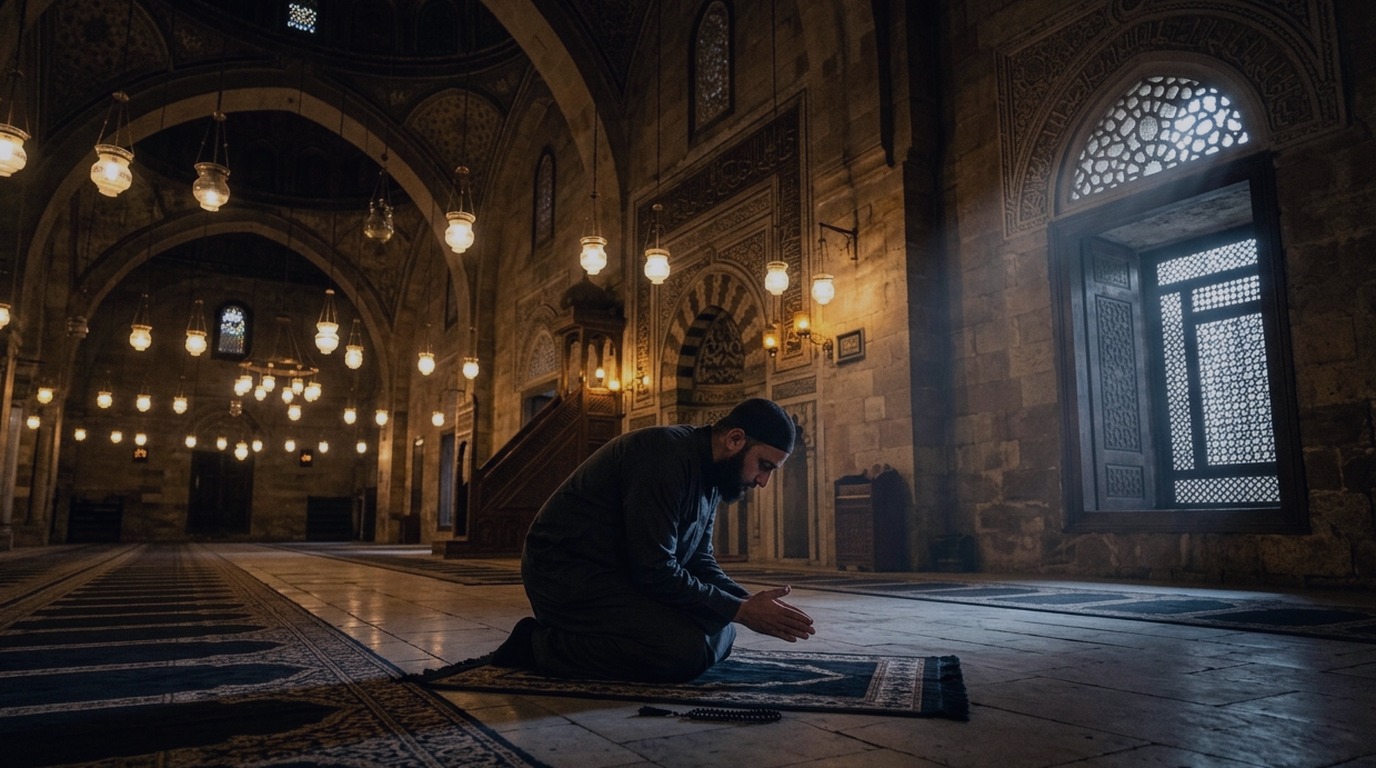
Qiyam-ul-Layl – A Complete Guide
Scholar Verified
Written by: M. Hamza
Researcher: Ayesha Rahman
Reviewed by: Omar Abdullah
Last Review: 9 September 2026
Our Ramadan information is carefully examined by a qualified Islamic reviewer to help ensure that religious details, references, and guidance are presented accurately and responsibly.
Qiyam-ul-Layl (قيام الليل) is one of the most virtuous acts of worship in Islam. It refers to night prayer performed after sleeping, during the last third of the night, seeking closeness to Allah.
This guide covers everything you need to know about Qiyam-ul-Layl – its meaning, significance, how to pray it, and its rewards.
What is Qiyam-ul-Layl?
Literally: Qiyam means "standing" and Layl means "night." Together, it means "standing in prayer during the night."
Islamic Definition: Qiyam-ul-Layl refers to any voluntary prayer offered after the Isha prayer and before the Fajr prayer. It is also commonly known as Tahajjud.
Important: While both Qiyam and Tahajjud refer to night prayer, there is a subtle difference:
- Qiyam-ul-Layl is a general term for any night prayer.
- Tahajjud specifically refers to night prayer that is offered after waking from sleep.
Allah describes the believers who pray at night in the Quran:
تَتَجَافَىٰ جُنُوبُهُمْ عَنِ الْمَضَاجِعِ يَدْعُونَ رَبَّهُمْ خَوْفًا وَطَمَعًا
Transliteration: Tatajāfā junūbuhum ‘anil-maḍāji‘i yad‘ūna rabbahum khawfan wa ṭama‘ā.
Translation: "Their sides forsake their beds to invoke their Lord in fear and hope." (Surah As-Sajdah, 32:16)
Is Qiyam-ul-Layl Obligatory?
No. Qiyam-ul-Layl is a voluntary (nafl) prayer. It is not obligatory (fard) upon Muslims. However, it is one of the most highly recommended acts of worship.
The Prophet Muhammad (peace be upon him) said:
أَحَبُّ الصَّلَاةِ إِلَى اللَّهِ صَلَاةُ دَاوُدَ عَلَيْهِ السَّلَامُ، وَأَحَبُّ الصِّيَامِ إِلَى اللَّهِ صِيَامُ دَاوُدَ، وَكَانَ يَنَامُ نِصْفَ اللَّيْلِ وَيَقُومُ ثُلُثَهُ وَيَنَامُ سُدُسَهُ
Transliteration: Aḥabbu al-ṣalāti ilallahi ṣalātu Dāwūda ‘alayhi al-salām, wa aḥabbu al-ṣiyāmi ilallahi ṣiyāmu Dāwūd. Wa kāna yanāmu niṣfa al-layli wa yaqūmu thuluthahu wa yanāmu sudusahu.
Translation: "The most beloved prayer to Allah is the prayer of Dawud (peace be upon him), and the most beloved fasting to Allah is the fasting of Dawud. He used to sleep half the night, stand in prayer for one-third of it, and sleep for one-sixth of it." (Sahih al-Bukhari)
Virtue and Reward of Qiyam-ul-Layl
1. Forgiveness of Sins
The Prophet (peace be upon him) said:
مَنْ قَامَ رَمَضَانَ إِيمَانًا وَاحْتِسَابًا غُفِرَ لَهُ مَا تَقَدَّمَ مِنْ ذَنْبِهِ
Transliteration: Man qāma Ramaḍāna īmānan waḥtisāban ghufira lahū mā taqaddama min dhanbihī.
Translation: "Whoever stands in prayer during Ramadan with faith and seeking reward, all of his past sins will be forgiven." (Sahih al-Bukhari & Muslim)
2. A Path to Paradise
The Prophet said:
يَا أَيُّهَا النَّاسُ، أَفْشُوا السَّلَامَ، وَأَطْعِمُوا الطَّعَامَ، وَصِلُوا الْأَرْحَامَ، وَصَلُّوا بِاللَّيْلِ وَالنَّاسُ نِيَامٌ، تَدْخُلُوا الْجَنَّةَ بِسَلَامٍ
Transliteration: Yā ayyuhā al-nās, afshū al-salām, wa aṭ‘imū al-ṭa‘ām, wa ṣilū al-arḥām, wa ṣallū bil-layli wa al-nāsu niyām, tadkhulū al-jannata bi-salām.
Translation: "O people, spread peace, feed others, maintain family ties, and pray at night when people are sleeping, and you will enter Paradise in peace." (Sunan al-Tirmidhi)
3. Allah Descends to the Lowest Heaven
The Prophet said:
يَنْزِلُ رَبُّنَا تَبَارَكَ وَتَعَالَىٰ كُلَّ لَيْلَةٍ إِلَى السَّمَاءِ الدُّنْيَا حِينَ يَبْقَى ثُلُثُ اللَّيْلِ الْآخِرُ فَيَقُولُ: مَنْ يَدْعُونِي فَأَسْتَجِيبَ لَهُ، مَنْ يَسْأَلُنِي فَأُعْطِيَهُ، مَنْ يَسْتَغْفِرُنِي فَأَغْفِرَ لَهُ
Transliteration: Yanzilu rabbunā tabāraka wa ta‘ālā kulla laylatin ilā al-samāʾi al-dunyā ḥīna yabqā thuluthu al-layli al-ākhir, fa yaqūlu: Man yad‘ūnī fa-astajība lah, man yasʾalunī fa-u‘ṭiyah, man yastaghfirunī fa-aghfir lah.
Translation: "Our Lord descends to the lowest heaven every night during the last third of the night and says: 'Who is calling upon Me that I may respond to him? Who is asking of Me that I may give him? Who is seeking My forgiveness that I may forgive him?'" (Sahih al-Bukhari & Muslim)
4. Honor and Dignity
Allah says in the Quran:
إِنَّ الْمُتَّقِينَ فِي جَنَّاتٍ وَعُيُونٍ * آخِذِينَ مَا آتَاهُمْ رَبُّهُمْ إِنَّهُمْ كَانُوا قَبْلَ ذَٰلِكَ مُحْسِنِينَ * كَانُوا قَلِيلًا مِّنَ اللَّيْلِ مَا يَهْجَعُونَ * وَبِالْأَسْحَارِ هُمْ يَسْتَغْفِرُونَ
Transliteration: Inna al-muttaqīna fī jannātin wa ‘uyūn. Ākhidhīna mā ātāhum rabbuhum innahum kānū qabla dhālika muḥsinīn. Kānū qalīlan min al-layli mā yahja‘ūn. Wa bil-asḥāri hum yastaghfirūn.
Translation: "Indeed, the righteous will be in gardens and springs, accepting what their Lord has given them. Indeed, they were before that doers of good. They used to sleep but little of the night, and in the hours before dawn, they would ask forgiveness." (Surah Adh-Dhariyat, 51:15-18)
Qiyam-ul-Layl vs Taraweeh – What's the Difference?
| Aspect | Qiyam-ul-Layl | Taraweeh |
|---|---|---|
| Definition | General night prayer | Specific night prayer during Ramadan |
| Time | Any night throughout the year | Only in the month of Ramadan |
| Rakats | Flexible, prayed in sets of 2 | Usually 8 or 20 rakats |
| Recitation | Can be long or short | Often lengthy to complete the Quran |
| Congregation | Usually prayed alone | Often prayed in congregation at the mosque |
| After Sleeping | Can be prayed after waking (Tahajjud) | Usually prayed after Isha, before sleeping |
| Best Time | Last third of the night | Anytime after Isha until Fajr |
Key Point: Taraweeh is a type of Qiyam-ul-Layl performed specifically during Ramadan.
How to Pray Qiyam-ul-Layl
Step-by-Step Guide
1. Make Your Intention (Niyyah)
Make the intention in your heart to pray Qiyam-ul-Layl or Tahajjud for the sake of Allah.
2. Wake Up From Sleep (For Tahajjud)
If you are praying Tahajjud, wake up after sleeping, preferably in the last third of the night.
3. Recite the Recommended Dua for Waking Up
The Prophet (peace be upon him) would say when waking up:
الْحَمْدُ لِلَّهِ الَّذِي أَحْيَانَا بَعْدَ مَا أَمَاتَنَا وَإِلَيْهِ النُّشُورُ
Transliteration: Al-ḥamdu lillāhi alladhī aḥyānā ba‘da mā amātanā wa ilayhi al-nushūr.
Translation: "Praise be to Allah who gave us life after causing us to die, and to Him is the resurrection." (Sahih al-Bukhari)
4. Pray in Sets of Two Rakats
The Prophet said:
صَلَاةُ اللَّيْلِ مَثْنَىٰ مَثْنَىٰ
Transliteration: Ṣalātu al-layli mathnā mathnā.
Translation: "Night prayer is (offered) two rakats by two rakats." (Sahih al-Bukhari & Muslim)
How to pray each 2-rakat unit:
- Say "Allahu Akbar" to begin.
- Recite Surah Al-Fatihah.
- Recite another Surah or portion of the Quran.
- Perform Ruku (bowing).
- Stand up straight.
- Perform Sujood (prostration) twice.
- Sit for the Tashahhud.
- End with Tasleem (saying "Assalamu alaykum wa rahmatullah" to the right and left).
5. Number of Rakats
There is no fixed number of rakats for Qiyam-ul-Layl. You can pray:
- 2 rakats – minimum
- 4 rakats – good
- 8 rakats – recommended
- 11 rakats – the Prophet's practice (8 + 3 Witr)
- 13 rakats – also reported from the Prophet
- Any number – as long as you pray in sets of 2
The Prophet (peace be upon him) used to pray:
"The Messenger of Allah used to pray eleven rakats at night, and he would make them so long that his feet would swell."
(Sahih al-Bukhari)
6. Recite as Much Quran as You Can
The Prophet would recite long portions of the Quran in his night prayer. You should recite at least a few verses. The longer the recitation, the greater the reward.
7. End with Witr Prayer
After completing Qiyam-ul-Layl, conclude with the Witr prayer (an odd number of rakats, usually 1 or 3).
8. Make Dua (Supplication)
This is the best time for dua. Raise your hands and ask Allah for forgiveness, guidance, mercy, and all your needs.
Best Time for Qiyam-ul-Layl
The best time to pray Qiyam-ul-Layl is during the last third of the night. The night is divided into three parts:
| Part of Night | Time |
|---|---|
| First third | After Isha until approximately midnight |
| Second third | Midnight to approximately 2-3 hours before Fajr |
| Last third | Approximately 2-3 hours before Fajr until Fajr begins |
The Prophet said regarding the last third:
يَنْزِلُ رَبُّنَا تَبَارَكَ وَتَعَالَىٰ كُلَّ لَيْلَةٍ إِلَى السَّمَاءِ الدُّنْيَا حِينَ يَبْقَى ثُلُثُ اللَّيْلِ الْآخِرُ
Transliteration: Yanzilu rabbunā tabāraka wa ta‘ālā kulla laylatin ilā al-samāʾi al-dunyā ḥīna yabqā thuluthu al-layli al-ākhir.
Translation: "Our Lord descends to the lowest heaven every night during the last third of the night." (Sahih al-Bukhari & Muslim)
Recommended Duas for Qiyam-ul-Layl
Dua After Waking Up
اللَّهُمَّ رَبَّنَا لَكَ الْحَمْدُ أَنْتَ قَيِّمُ السَّمَاوَاتِ وَالْأَرْضِ
Transliteration: Allahumma rabbanā laka al-ḥamdu anta qayyimu al-samāwāti wal-arḍ.
Translation: "O Allah, our Lord, to You belongs all praise. You are the Sustainer of the heavens and the earth."
Dua in Sujood
اللَّهُمَّ اغْفِرْ لِي ذَنْبِي كُلَّهُ دِقَّهُ وَجِلَّهُ، وَأَوَّلَهُ وَآخِرَهُ، وَعَلَانِيَتَهُ وَسِرَّهُ
Transliteration: Allahumma ighfir lī dhanbī kullahu, diqqahu wa jillahu, wa awwalahu wa ākhirahu, wa ‘alāniyatahu wa sirrahu.
Translation: "O Allah, forgive all my sins – the small and the great, the first and the last, the open and the secret."
Dua After Completing Qiyam
اللَّهُمَّ إِنِّي أَسْأَلُكَ رَحْمَةً مِنْ عِنْدِكَ تَهْدِي بِهَا قَلْبِي
Transliteration: Allahumma innī asʾaluka raḥmatan min ‘indika tahdī bihā qalbī.
Translation: "O Allah, I ask You for mercy from You that guides my heart."
Important Reminders
| Point | Detail |
|---|---|
| Not obligatory | Qiyam-ul-Layl is voluntary, so do not feel burdened |
| Consistency is key | Even 2 rakats regularly is better than many rakats once in a while |
| Sincerity | Pray for Allah's pleasure, not for show |
| Start small | Begin with 2-4 rakats and gradually increase |
| Best time | Last third of the night |
| Witr | Always conclude with Witr prayer |
| Dua | This is the best time for heartfelt supplication |
Summary Table
| Meaning | Standing in prayer during the night |
| Also known as | Tahajjud (when prayed after sleeping) |
| Time | After Isha until Fajr (best: last third of the night) |
| Status | Highly recommended Sunnah (not obligatory) |
| Rakats | Any even number in sets of 2 (minimum 2) |
| Prophet's practice | 11 rakats (8 + 3 Witr) |
| Key reward | Forgiveness of sins and closeness to Allah |
| Best dua time | In sujood and during the last third of the night |
Final Encouragement
Qiyam-ul-Layl is a precious gift from Allah. It is the time when the believer leaves their warm bed to stand before their Creator in humility and devotion. The Prophet (peace be upon him) said:
عَلَيْكُمْ بِقِيَامِ اللَّيْلِ، فَإِنَّهُ دَأْبُ الصَّالِحِينَ قَبْلَكُمْ، وَقُرْبَةٌ إِلَى رَبِّكُمْ، وَمَكْفَرَةٌ لِلسَّيِّئَاتِ، وَمَنْهَاةٌ عَنِ الْإِثْمِ
Transliteration: ‘Alaykum bi-qiyāmi al-layl, fa-innahu daʾbu al-ṣāliḥīna qablakum, wa qurbatun ilā rabbikum, wa makfaratun lil-sayyiʾāti, wa manhātun ‘ani al-ithm.
Translation: "Hold fast to Qiyam-ul-Layl, for it is the practice of the righteous before you, and it brings you closer to your Lord, and it is an expiation for bad deeds, and it prevents one from sin." (Sunan al-Tirmidhi)
Start tonight, even with just two rakats, and taste the sweetness of standing before Allah.
Ramadan Calendar 360 — Your complete guide to Ramadan, Eid, and Islamic worship. Visit us at Ramadan Calendar 360 for prayer times, Ramadan calendars, and more.