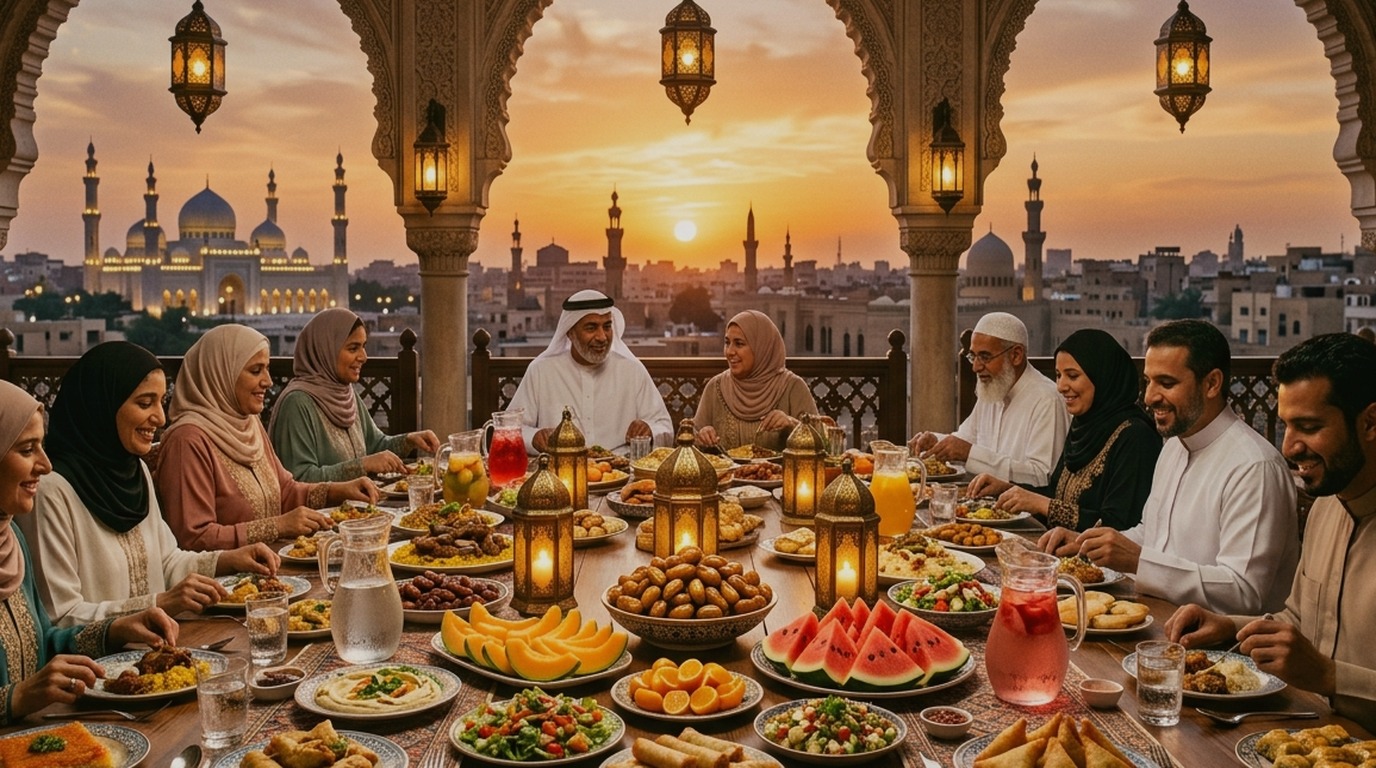
Best Foods for Iftar: Guide to Healthy and Nourishing Meals
Scholar Verified
Written by: M. Hamza
Researcher: Ayesha Rahman
Reviewed by: Omar Abdullah
Last Review: 9 September 2026
Our Ramadan information is carefully examined by a qualified Islamic reviewer to help ensure that religious details, references, and guidance are presented accurately and responsibly.
The Importance of a Balanced Iftar
Iftar is the moment when Muslims break their fast at sunset during Ramadan. After a long day of fasting (typically 12-15 hours), the body needs nutritious, hydrating, and energy-restoring foods to replenish lost nutrients and prepare for the night prayers (Taraweeh).
"The food we eat can help us maintain a good immune system and stay healthy. During Ramadan, make an effort to maintain a balanced diet consisting of carbohydrates, protein, healthy fats, fibre and essential vitamins and minerals."
The Prophet Muhammad ﷺ taught us the best way to break our fast:
"When one of you breaks his fast, let him break it with dates for they are blessed. If they are not found, let him break it with water for it is pure."
(Hadith | Tirmidhi)
The Sunnah Starter: How to Begin Iftar
1. Dates — The Blessed Food
The Prophet ﷺ consistently broke his fast with fresh dates (rutab), or if not available, dry dates (tamr).
"كان رسول الله ﷺ يفطر على رطبات قبل أن يصلي، فإن لم تكن رطبات فتمرات، فإن لم تكن تمرات حسا حسوات من ماء"
"The Messenger of Allah ﷺ used to break his fast with fresh dates before praying. If fresh dates were not available, he would break it with dry dates. If dry dates were not available, he would take a few sips of water."
(Sunan Abu Dawud, 2356)
Health Benefits of Dates:
- Provide immediate natural sugar to restore blood glucose levels
- Rich in fiber for healthy digestion
- Contain potassium, magnesium, and iron
- Support the immune system
- Easy to digest and hydrating
"Indeed in dates there is a cure." (Hadith | Muslim)
2. Water — The Purifying Drink
After a day of fasting, the body is dehydrated. Water is essential to:
- Replenish lost fluids
- Aid digestion
- Prepare the stomach for food
Tip: Drink water gradually throughout the evening, not all at once, to avoid bloating.
The Best Foods for Iftar: A Comprehensive Guide
Category 1: Hydrating Foods and Drinks
After a long day without water, rehydration is the top priority.
| Food/Drink | Benefit |
|---|---|
| Water | Essential for rehydration |
| Coconut water | Natural electrolytes, potassium |
| Milk | Protein, calcium, hydration |
| Watermelon | 92% water content, vitamins A and C |
| Cucumber | High water content, refreshing |
| Fresh fruit juices (without added sugar) | Vitamins, hydration |
| Soups (lentil, chicken, vegetable) | Hydration, warmth, gentle on stomach |
"It is important to drink plenty of water, and eat foods that have a high water content such as watermelon."
Category 2: Soups — The Gentle Starter
Soups are the perfect way to ease the stomach back into eating after a long fast.
Types of Soup
- Lentil soup: Protein, fiber, iron
- Chicken soup: Protein, hydration, comforting
- Vegetable soup: Vitamins, minerals, hydration
- Tomato soup: Antioxidants (lycopene), hydration
Why Soup is Recommended:
- Warms the stomach gently
- Replenishes fluids and electrolytes
- Easy to digest
- Prepares the digestive system for the main meal
Category 3: Proteins — For Muscle Repair and Satiety
Protein is essential for repairing muscles and providing lasting satiety throughout the night.
| Protein Source | Benefit |
|---|---|
| Eggs | High-quality protein, vitamins D and B12 |
| Chicken (grilled or baked) | Lean protein, low fat |
| Fish (salmon, tuna) | Omega-3 fatty acids, protein |
| Lamb (moderate portions) | Protein, iron |
| Yogurt | Protein, probiotics for digestion |
| Cheese | Protein, calcium |
| Beans and lentils | Plant-based protein, fiber |
Tip: Choose grilled, baked, or boiled options over fried ones for a healthier Iftar.
Category 4: Complex Carbohydrates — For Sustained Energy
Complex carbohydrates provide slow-releasing energy that lasts throughout the night, helping you stay energetic for Taraweeh prayers and the next day's fast.
| Carbohydrate Source | Benefit |
|---|---|
| Whole wheat bread | Fiber, sustained energy |
| Brown rice | Complex carbs, fiber |
| Oats | Slow-release energy, fiber |
| Whole grain pasta | Sustained energy |
| Barley | Satiety, fiber |
| Sweet potatoes | Complex carbs, vitamins A and C |
"To keep up your strength whilst fasting, eat slow-release carbohydrates such as oats, wholegrain rice and wholemeal bread."
Category 5: Vegetables and Salads — For Vitamins and Hydration
Fresh vegetables are packed with essential vitamins, minerals, and water content.
| Vegetable | Benefit |
|---|---|
| Cucumber | High water content, hydration |
| Tomatoes | Antioxidants (lycopene), hydration |
| Lettuce | Fiber, hydration |
| Carrots | Vitamin A, beta-carotene |
| Bell peppers | Vitamin C, antioxidants |
| Broccoli | Vitamins C and K, fiber |
| Spinach | Iron, vitamins A and K |
Quick Iftar Salad Idea:
- Mixed greens (lettuce, spinach)
- Chopped cucumbers and tomatoes
- Bell peppers for color
- A light drizzle of olive oil and lemon juice
Category 6: Fruits — Natural Energy Boosters
Fruits provide natural sugars, vitamins, and hydration.
| Fruit | Benefit |
|---|---|
| Bananas | Potassium, quick energy |
| Watermelon | Hydration, vitamins A and C |
| Oranges | Vitamin C, hydration |
| Apples | Fiber, vitamins |
| Grapes | Natural sugars, hydration |
| Pomegranates | Antioxidants, vitamins |
| Figs | Fiber, calcium, iron |
Category 7: Healthy Fats — For Satiety
Healthy fats help you feel full and provide essential fatty acids.
| Healthy Fat Source | Benefit |
|---|---|
| Olive oil | Heart-healthy monounsaturated fats |
| Nuts (almonds, walnuts) | Healthy fats, protein, fiber |
| Avocado | Healthy fats, potassium |
| Seeds (chia, flax) | Omega-3, fiber |
Iftar Meal Ideas and Recipes
Option 1: Traditional Healthy Iftar
- Starter: 3 dates + water
- Soup: Lentil soup with lemon
- Main: Grilled chicken breast with brown rice and steamed vegetables
- Salad: Mixed greens with cucumber, tomato, and olive oil dressing
- Dessert: Fresh watermelon slices
- Drink: Water and a glass of milk
Option 2: Middle Eastern Inspired
- Starter: 3 dates + water
- Soup: Chicken soup
- Main: Grilled fish (salmon) with whole wheat bread, hummus, and tabbouleh salad
- Dessert: Fresh figs or dates
- Drink: Water and fresh fruit juice
Option 3: South Asian Inspired (Healthy)
- Starter: 3 dates + water
- Soup: Light chicken or vegetable soup
- Main: Baked fish or grilled chicken with whole wheat roti, yogurt, and vegetable curry (light on oil)
- Salad: Cucumber and onion salad
- Dessert: Fresh mango or banana
- Drink: Water and coconut water
Option 4: Quick and Simple
- Starter: 3 dates + water
- Soup: Tomato soup
- Main: Omelet or scrambled eggs with whole wheat toast and avocado slices
- Salad: Cucumber and tomato salad
- Dessert: Apple slices
- Drink: Water and milk
Foods to Avoid at Iftar
| Food Type | Why to Avoid | Better Alternative |
|---|---|---|
| Deep-fried snacks (samosas, pakoras) | Heavy, sluggish, high in fat | Grilled or baked options |
| Sugary pastries (baklava, kunafa) | Blood sugar spikes and crashes | Fresh fruits |
| Salty foods (pickles, chips) | Increases thirst during the night | Herbs and mild seasoning |
| Carbonated drinks | Bloating, gas, dehydration | Water, coconut water |
| Excess red meat | Hard to digest after fasting | Lean proteins (chicken, fish) |
| Spicy foods (excess chilli) | Stomach irritation, heartburn | Mild seasoning |
| Processed foods | Low nutrients, high sodium | Fresh, whole foods |
"Be mindful of how much salt you use while cooking during Ramadan, as too much sodium can lead to bloating, leaving you feeling uncomfortable and heavy in the evenings while you pray."
Health Tips for a Perfect Iftar
1. Start with Sunnah
Begin with dates and water. This gently prepares the stomach and provides immediate energy.
2. Eat in Phases
- Phase 1: Dates + water + dua
- Pray Maghrib
- Phase 2: Soup (small portion)
- Phase 3: Main meal (after a 15-20 minute break)
- Phase 4: Dessert (fruits)
- Phase 5: Continue hydration throughout the evening
3. Hydrate Wisely
- Drink water in intervals, not all at once
- Avoid caffeinated drinks (they increase thirst)
- Include water-rich foods (watermelon, cucumber)
- Aim for 8-10 glasses of water between Iftar and Suhoor
4. Avoid Overeating
The Prophet ﷺ said:
"The son of Adam does not fill a vessel worse than his stomach. It is sufficient for the son of Adam to eat a few mouthfuls to straighten his back. But if he must (fill it), then one-third for food, one-third for drink, and one-third for air."
(Sunan al-Tirmidhi, 2380)
5. Eat Slowly
Chew thoroughly and eat mindfully. This aids digestion and prevents overeating.
6. Balance Your Plate
- Half the plate: Vegetables and salad
- One-quarter: Protein (chicken, fish, eggs, beans)
- One-quarter: Complex carbohydrates (brown rice, whole wheat bread)
7. Don't Skip Suhoor
A good Iftar is followed by a nourishing Suhoor. This helps sustain you for the next day's fast.
Final Reflection
Iftar is a moment of joy, gratitude, and spiritual connection. By choosing the right foods, you can:
- Replenish your body's nutrients
- Feel energized for Taraweeh prayers
- Maintain good health throughout Ramadan
- Experience the full blessings of this holy month
"Thirst has gone, the veins are moist, and the reward is assured, if Allah wills."
May Allah accept our fasts, answer our supplications, and bless our Iftar meals with health, barakah, and spiritual fulfillment. Ameen.
Ramadan Calendar 360 — Your complete guide to Ramadan, Eid, and Islamic worship. Visit us at Ramadan Calendar 360 for prayer times, Ramadan calendars, and more.