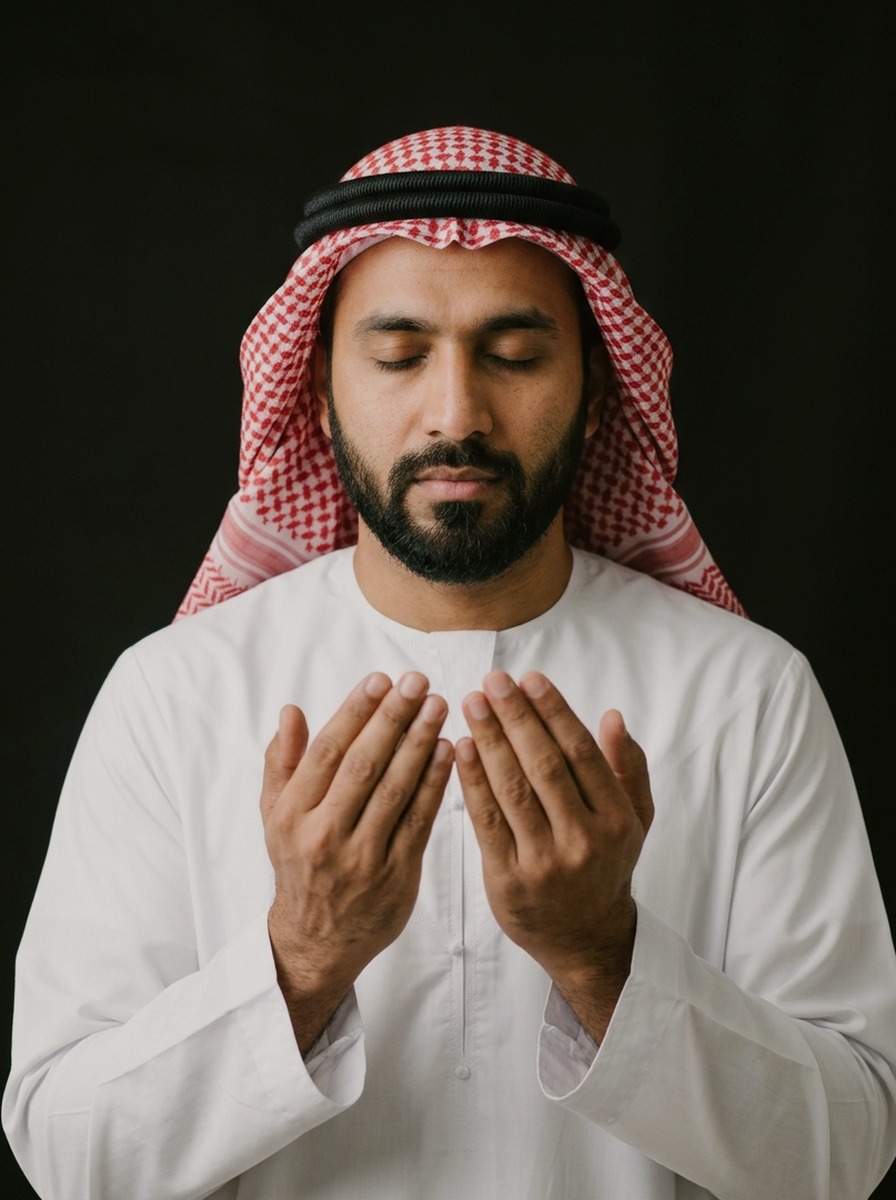
Why Do Muslims Fast During Ramadan?
Scholar Verified
Written by: M. Hamza
Researcher: Ayesha Rahman
Reviewed by: Omar Abdullah
Last Review: 9 September 2026
Our Ramadan information is carefully examined by a qualified Islamic reviewer to help ensure that religious details, references, and guidance are presented accurately and responsibly.
Muslims fast during Ramadan primarily because it is a direct command from Allah (God). However, behind this command lies deep spiritual wisdom. The ultimate goal is to attain Taqwa – which means God-consciousness, piety, and mindfulness of Allah.
During the fast, Muslims avoid food, drink, smoking, and sexual relations from Fajr until Maghrib. However, the purpose of fasting is much deeper than feeling hungry or thirsty.
Evidence from the Quran
The Quran is the holy book of Islam, and it contains the primary commands regarding fasting.
1. The Main Reason: To Attain Piety (Taqwa)
The most important verse about fasting in Ramadan clearly states its purpose:
"O you who have believed, fasting has been prescribed for you as it was prescribed for those before you, so that you may become righteous (attain Taqwa)."
— Surah Al-Baqarah (2:183)
What does this mean?
"Taqwa" means being constantly aware that Allah is watching you. Fasting trains a person to give up even lawful things (like food and drink) purely out of obedience to Allah, even when no one else is watching. This builds strong self-control and a deep sense of devotion.
2. To Show Gratitude for the Quran
Ramadan is the month in which the Quran was first revealed. Fasting is linked to this great blessing:
"The month of Ramadan is the one in which the Quran was revealed as a guidance for mankind... So whoever is present this month, let them fast... so that you may proclaim the greatness of Allah for guiding you, and perhaps you will be grateful."
— Surah Al-Baqarah (2:185)
What does this mean?
Fasting is a way for Muslims to say "thank you" to Allah for giving them the Quran, which is their ultimate guide to life.
Evidence from Hadith (Sayings of the Prophet)
The Prophet Muhammad (peace be upon him) further explained the spiritual benefits and rewards of fasting.
1. Forgiveness of Sins
The Prophet promised great rewards for those who fast with sincerity:
"Whoever fasts Ramadan out of faith and seeking reward, his previous sins will be forgiven."
— Sahih Bukhari & Sahih Muslim
What does this mean?
Fasting is an opportunity for a fresh start. It washes away past sins and purifies the soul.
2. A Shield (Protection)
The Prophet compared fasting to a protective shield:
"Fasting is a shield (or a screen) against the Fire."
— Sahih Bukhari
What does this mean?
Just as a shield protects a soldier in battle, fasting protects a believer from sin in this life and from punishment in the next life.
3. A Special Reward from Allah Himself
In a sacred narration, Allah says:
"Every deed of the son of Adam is for himself, except for fasting. It is for Me, and I will reward it personally."
— Sahih Bukhari & Sahih Muslim
What does this mean?
This shows how special fasting is. All other good deeds are given back to the person, but fasting is kept exclusively for Allah, meaning its reward is limitless and beyond imagination.
Summary: 5 Main Reasons Muslims Fast
Based on the Quran and Hadith above, here are the key reasons:
| Reason | Explanation |
|---|---|
| 1. Obedience to Allah | It is a direct command from God. |
| 2. To Attain Taqwa (Piety) | To become more God-conscious and self-disciplined. |
| 3. To Seek Forgiveness | To have past sins erased. |
| 4. To Show Gratitude | To thank Allah for revealing the Quran. |
| 5. To Build Empathy | By feeling hunger, Muslims remember and care for the poor and needy. |
The Bottom Line
Muslims fast during Ramadan because Allah commanded it in the Quran. But the wisdom behind it is to purify the soul, build self-discipline, earn forgiveness, and become a better human being who is always mindful of God. It is a month of spiritual training that lasts all year long.
Ramadan Calendar 360 — Your complete guide to Ramadan, Eid, and Islamic worship. Visit us at Ramadan Calendar 360 for prayer times, Ramadan calendars, and more.